Opens in a new tab

Polynucleotide Treatment for Skin Regeneration, Hydration and Firmness

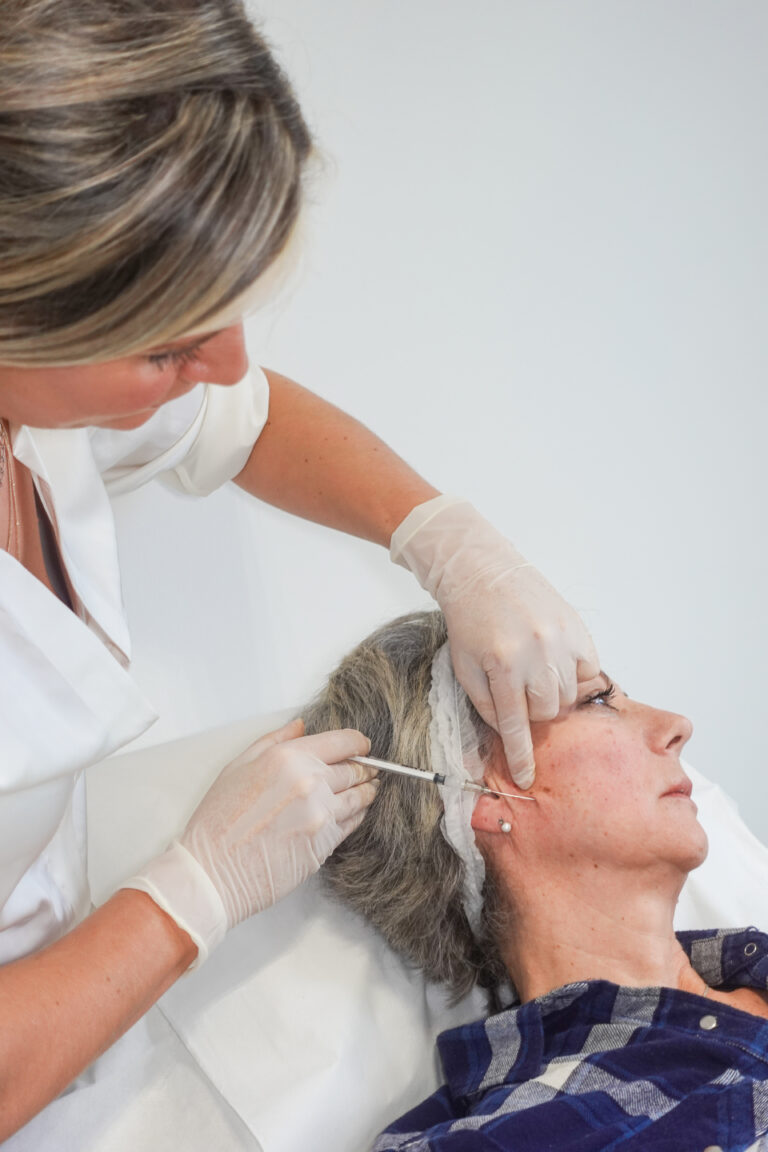
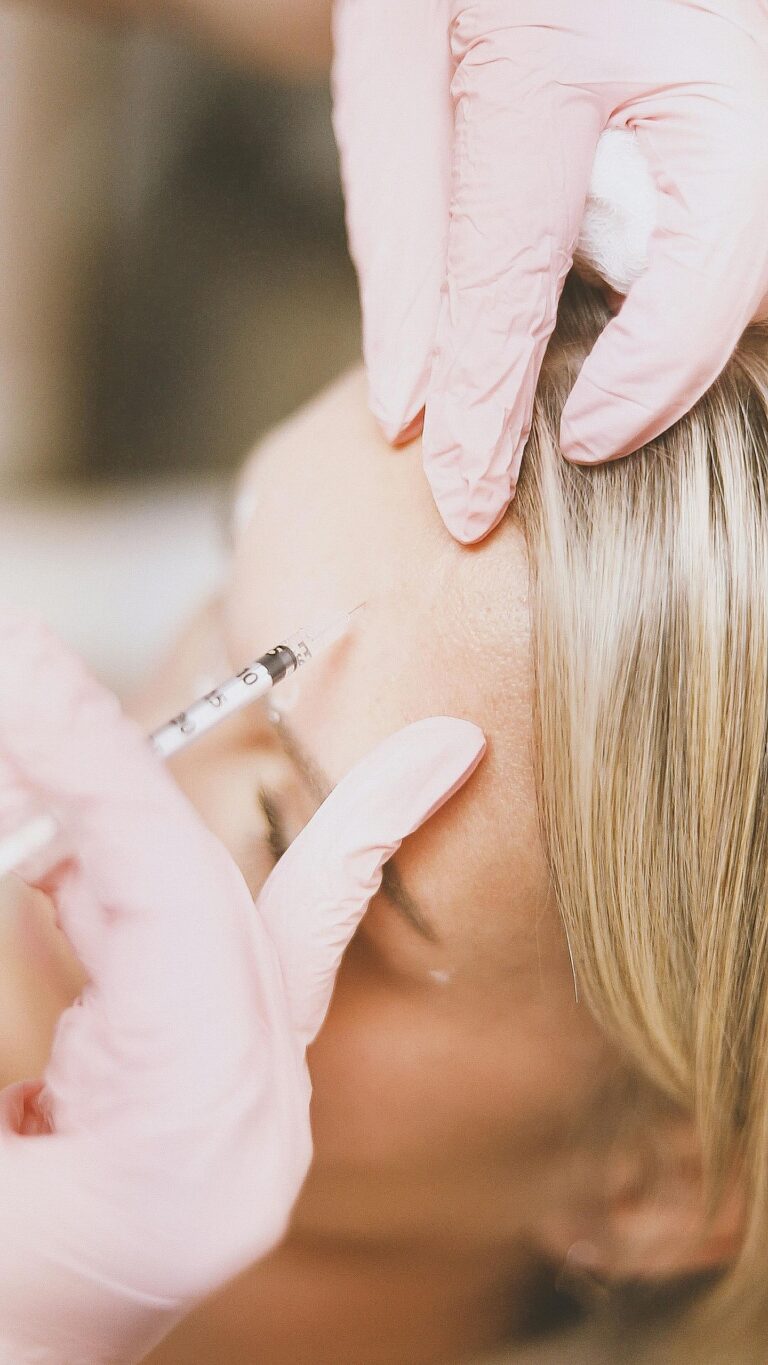
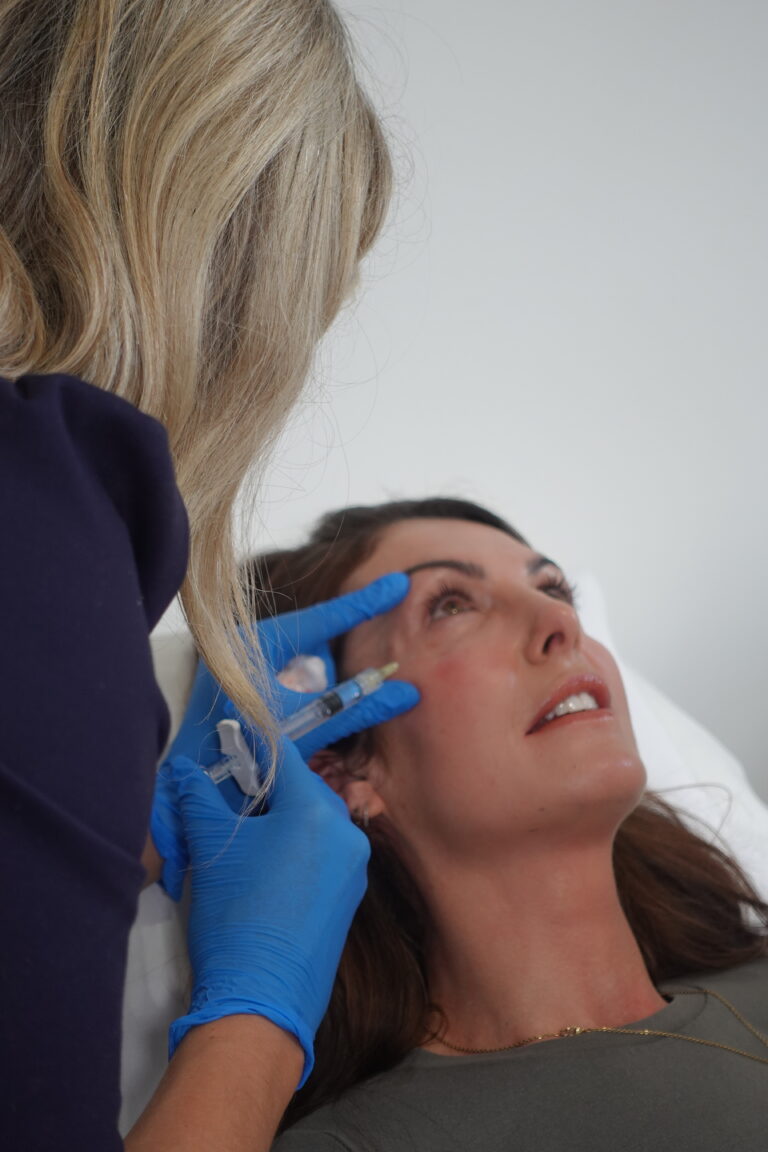
Polynucleotide treatment is a doctor-led regenerative injectable that uses purified DNA fragments, most commonly derived from salmon, to stimulate the skin’s own repair processes. Rather than adding volume the way a dermal filler does, it works with the skin’s fibroblasts to rebuild collagen and elastin from within, improving hydration, texture and firmness over a course of sessions. It’s suited to the face, neck, décolletage and delicate under-eye area, either as a standalone course or alongside other regenerative treatments.

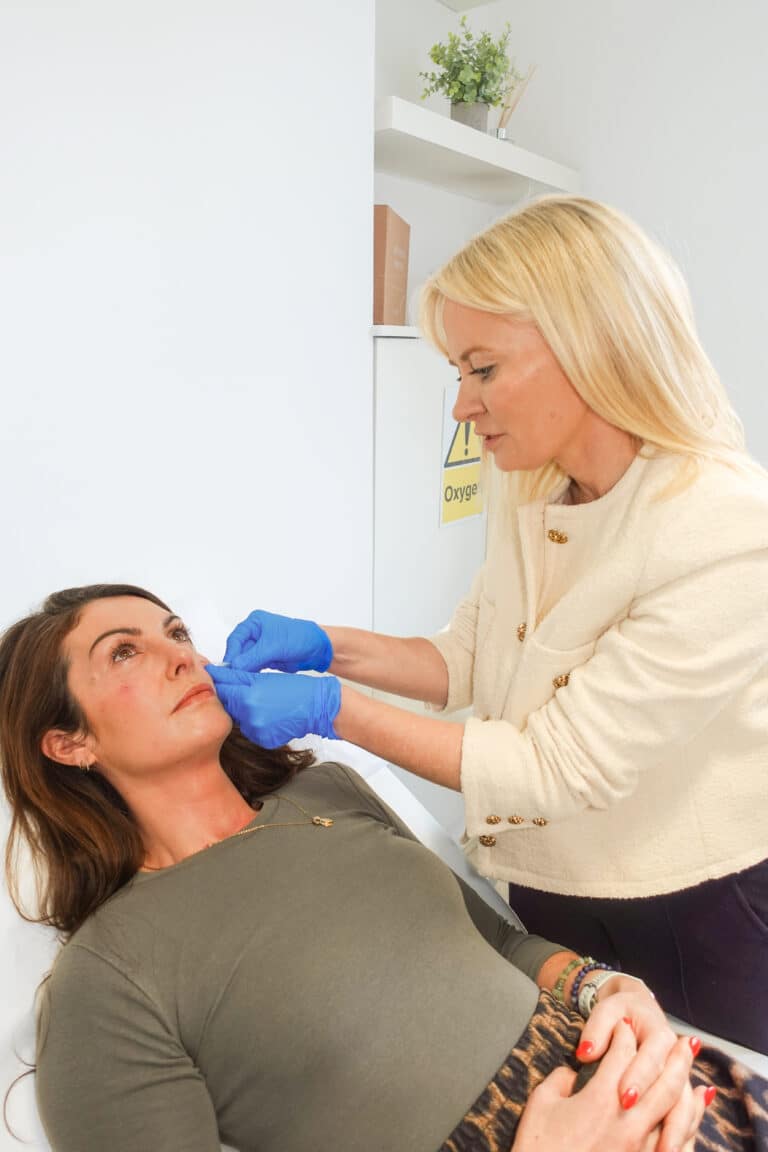
At The Bronte Clinic, every treatment begins with a full consultation with a member of our medical team, so the areas treated and course length are matched to your specific skin concerns.

Key benefits of polynucleotide treatment:

  • Improves hydration and restores a natural glow
  • Softens fine lines and early wrinkles
  • Refines skin texture and tone
  • Supports firmness in delicate, thin-skinned areas like the under-eyes
  • Helps fade post-acne scarring by encouraging tissue repair
Ask our team

Treatment at a glance

Treatment time

Approx 15-20 minutes for the injections, excluding consultation and any numbing time.

Recovery time

Approx 24-48 hours. Small bumps, redness or mild swelling are normal and settle within this time. Bruising can last longer in some patients

Treatment Areas

Face, neck, décolletage, under-eyes

Treatment course

2-3 sessions, spaced 2-4 weeks apart. The final course is personalised after a consultation, and may be adjusted according to response.

Results

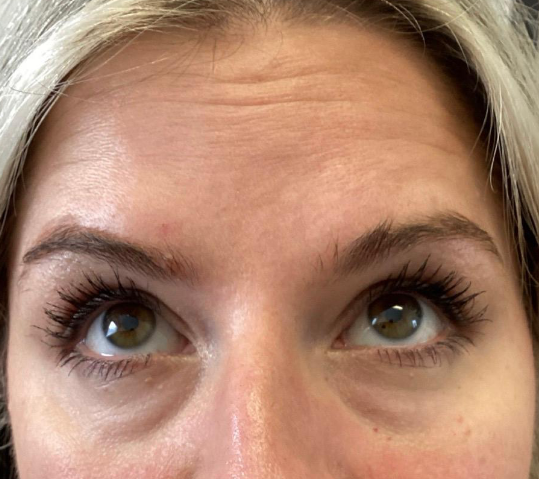
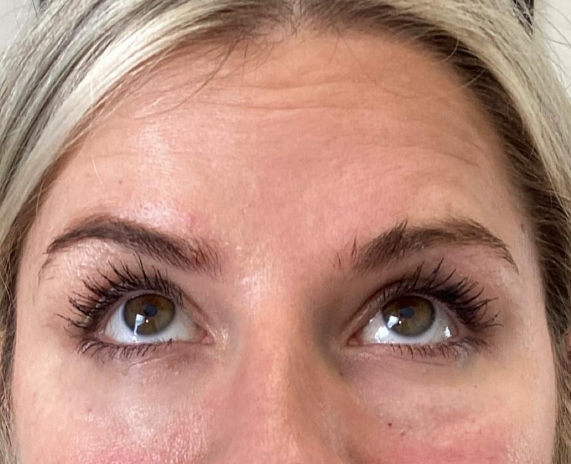
Improvement in dark circles, hydrated skin, softer fine lines, smoother, more even texture, improved firmness, reduced appearance of post-acne scarring. Results last 6-9 months.

Treatment Results

BeforeAfter

What Is Polynucleotide Treatment and How Does It Work?

Polynucleotides are small DNA fragments that, once injected into the dermis, activate the skin’s fibroblasts, which are the cells responsible for producing collagen and elastin. This is a different mechanism to dermal filler, which physically adds volume. Instead, polynucleotde treatment prompts the skin to repair and rebuild its own structure, which is why results build gradually rather than appearing immediately. For a deeper dive into the science, our article on what polynucleotides are explains the process further.

Because the DNA fragments used are typically derived from salmon, which is structurally compatible with human tissue, this treatment tends to be well tolerated even on sensitive or reactive skin.

What Skin Conditions Can Polynucleotide Treatment Address?

Polynucleotides are versatile, and most patients come to us with more than one of the following concerns:

Fine lines and dehydrated skin – as collagen production slows, skin can look duller and finer lines become more visible. Polynucleotide treatment restores hydration from within and softens the earliest signs of ageing.

Uneven texture and tone – by stimulating fibroblast activity, the treatment gradually smooths texture and refines tone. It is often discussed alongside our wider guide to skin texture treatments.

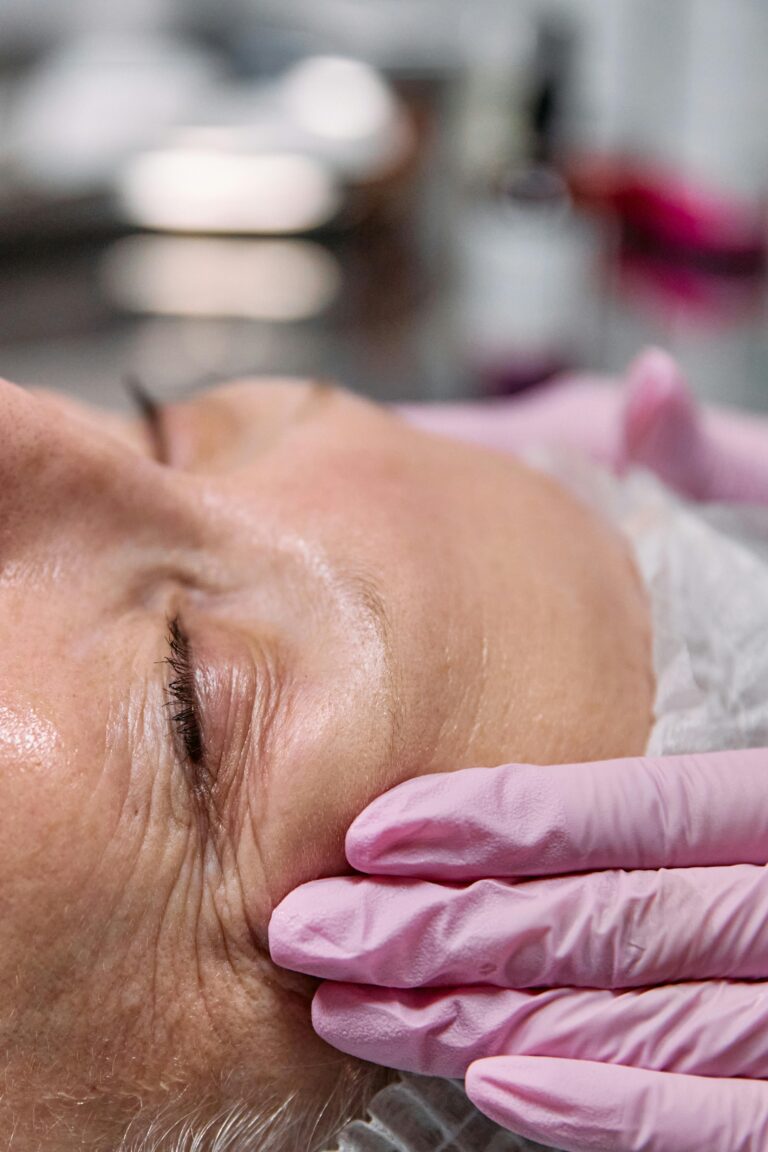
Under-eye concerns – polynucleotide treatment can improve the appearance of fine lines, crepey texture and hydration around the eyes by thickening and strengthening thin skin. They don’t add volume the way filler does, so they won’t resolve true under-eye bags caused by fat-pad herniation, which need a separate assessment.

Early skin laxity and crepiness – On the neck and décolletage, this treatment supports firmer, more resilient-feeling skin. For expectations by area, see our zone-by-zone guide to polynucleotide treatment areas.

Post-acne scarring. By encouraging tissue repair, polynucleotides can help soften the appearance of scarring left behind by acne.

Post-acne scarring – By encouraging tissue repair, polynucleotides can help soften the appearance of scarring left behind by acne. Acne scarring should first be assessed by scar type, as medical microneedling, Morpheus8 or a combination of treatments may be more appropriate.

Is Polynucleotide Treatment Painful?

Most patients describe the sensation as a light pinching or mild stinging, particularly in delicate areas such as the under-eyes or décolletage. Any discomfort is brief, and topical anaesthetic is available if needed. Comfort varies between patients and treatment areas, and a member of our medical team will explain the available comfort measures before treatment.

How Much Does Polynucleotide Treatment Cost?

Please check The Bronte Clinic’s current price list and contact us to confirm the full treatment and maintenance cost before booking.

Is Polynucleotide Treatment Right for Me?

Polynucleotide treatment suits a wide range of skin concerns and skin types, but as with any injectable, suitability is confirmed during a consultation with one of our doctors or nurses rather than assumed in advance. Understanding the safety profile matters just as much as the results, and our honest look at the risks and side effects of polynucleotide treatment explains what to expect and how any risks are managed.

Suitability checklist:

  • Please tell our medical team about any known fish allergy, because many polynucleotide products used in aesthetic medicine are fish-derived.
  • Polynucleotide treatment is generally avoided during pregnancy and breastfeeding because safety data in these groups are limited.
  • Active infection, significant inflammation or certain skin conditions in the treatment area may mean treatment should be delayed or adapted.
  • Please disclose any anticoagulants, antiplatelet medicines and any other medication or supplements that may affect bruising or bleeding. Do not stop prescribed medication unless the original medical prescriber advises you to do so.

Book a polynucleotide treatment consultation at our London or Surrey clinic to find out whether it’s the right option for your skin.

“After having kids, I felt I looked constantly exhausted, especially under my eyes. The Bronte Clinic made me feel completely comfortable and offered a safe, medical option to address this with polynucleotides.”

FAQs

The Bronte Clinic provides medical aesthetics and dermatology services in London and Surrey. Treatments are delivered by experienced doctors and nurses within a Consultation-first model focused on medical assessment, natural-looking results and appropriate patient selection. The clinic is CQC-registered and works under the clinical oversight of Medical Director Dr Fiona McCarthy, MBChB, MRCP, PhD.

It is not entirely downtime-free. Small bumps, redness or mild swelling at the injection sites are common immediately afterwards, and these typically settle within 24-48 hours. Most patients are comfortable returning to normal activities the same day, though you may want to plan around any events in the days immediately following treatment. Bruising can last longer than 24-48 hours in some patients.

The procedure itself takes approximately 15-20 minutes, though a thorough medical consultation with a member of our medical team is required beforehand to confirm it is the right treatment for you. Additional appointment time may be needed when numbing cream is used.

Results typically last 6-9 months, depending on your skin type, age and lifestyle. Daily SPF helps protect the collagen gains from treatment, alongside a tailored skincare regimen. Many patients choose maintenance sessions roughly every 6 months to sustain results.

Most patients notice visible improvements in hydration, texture and radiance within 7-10 days of their first session. The fuller benefits, including firmer, smoother, more even-looking skin, develop gradually over 3-6 weeks as collagen and elastin production increases. These timings are clinic guidance rather than a guarantee; response varies with the product, protocol, treatment area and individual skin.

For the best and most lasting results, we typically recommend a course of 2-3 sessions, spaced 2-4 weeks apart.

Book your appointment

Use the form below or
Call us

Related Articles

Article Hero Image - What Are Polynucleotides_ A Doctor_s Guide to the Treatment Transforming Skin Rejuvenation

What Are Polynucleotides? A Doctor’s Guide to the Treatment Transforming Skin Rejuvenation

What are polynucleotides and how do they rejuvenate skin? Our doctors explain how this biostimulatory treatment works, who it suits, and what to expect. Book a consultation in London or Surrey.

Polynucleotide Treatment Areas: What to Realistically Expect, Zone by Zone

What can polynucleotides do for your under-eyes, face, neck, and décolletage? Our medical team explains what to expect from each treatment area. Book a consultation in London or Surrey.

Polynucleotides vs Anti-Ageing Treatments: How Does This Regenerative Approach Compare?

The world of aesthetic medicine offers more options than ever for patients who want to address the visible signs of ageing without surgery. From anti-wrinkle injections to dermal fillers, chemical peels to laser therapy, there is no shortage of treatments promising smoother, firmer, more youthful-looking skin. But the question we hear increasingly at The Bronte…

Crepey Skin Treatment: Why a Combination Approach Delivers the Best Results

Looking for an effective crepey skin treatment? Our team explains why a combination of Morpheus8, Profhilo, and polynucleotides delivers results that no single treatment can match. Book a consultation in London or Surrey.

What Are the Most Effective Non-Surgical Treatments for Nose to Mouth Lines?

What are the most effective non-surgical treatments for nose to mouth lines? Our team explains why these lines form, when fillers help, and why JULÄINE™ may offer a longer-lasting alternative.

Anti-Ageing Treatments in Your 30s: A Three-Stage Approach That Actually Makes Sense

Your thirties are a turning point for your skin. Not in a dramatic, overnight way, but in the quiet, incremental shifts that most people only recognise in hindsight. Collagen production begins to slow. Cell turnover decelerates. The early effects of sun exposure, stress, and lifestyle start to surface as fine lines, dullness, and the first…

How to Get Rid of Jowls Without Surgery: An Honest Guide

Let's start with the truth that most clinic websites won't tell you: not every case of jowling can be meaningfully improved without surgery. If you have been searching for how to get rid of jowls without surgery, you have probably encountered dozens of articles promising dramatic transformation from a single non-surgical treatment. Some of those…
Hero image - What to Expect at Your First Aesthetic Consultation

What to Expect at Your First Aesthetic Consultation

Wondering what happens at an aesthetic consultation? Our team explains what to expect at your first appointment, what questions to ask, and how to find a clinic you can trust. Book in London or Surrey.
article hero image - Sun Damage Treatment - How BBL Reverses What the Sun Has Done to Your Skin

Sun Damage Treatment: How BBL Reverses What the Sun Has Done to Your Skin

Looking for an effective sun damage treatment? Our team explains how BBL reverses pigmentation, uneven tone, and photodamage at a molecular level - backed by Stanford University research. Book a consultation in London or Surrey.
What Is Morpheus8? | A Doctor-Led Guide

What Is Morpheus8? A Doctor-Led Guide to Radiofrequency Microneedling

What is Morpheus8 and is it worth it? Our team explains the science behind radiofrequency microneedling, sets realistic expectations, and outlines who it's best suited to. Book a consultation in London or Surrey.

Aesthetic Treatments No Downtime: What You Can Genuinely Fit Into a Busy Life

Which aesthetic treatments genuinely require no downtime? Our team walks through what fits a busy schedule, what needs recovery time, and how to plan smart. Book a consultation in London or Surrey.

Polynucleotides vs Profhilo: What’s the Difference and Which Is Right for You?

Polynucleotides vs Profhilo: what's the difference and which is right for you? Our team explains how each treatment works, when one is better suited than the other, and when combining both delivers the best results. Book in London or Surrey.

Crow’s Feet Treatment: Why These Lines Form and What Actually Works

Looking for an effective crow's feet treatment? We explainswhy these lines form, why anti-wrinkle injections are the gold standard, and what realistic results look like. Book a consultation in London or Surrey.

How to Look Less Tired: Non-Surgical Solutions for a Fresher, More Radiant Face

Wondering how to look less tired without surgery? Our team explains the multiple factors behind a tired appearance and why polynucleotides may be the most effective treatment for restoring radiance from within. Book in London or Surrey.

How to Improve Skin Firmness on the Face Without Surgery

Wondering how to improve skin firmness without surgery? Our team explains why firmness declines, what treatments genuinely rebuild structural support, and why JULÄINE™ is one of the most effective options available. Book in London or Surrey.

Are Polynucleotides Safe? An Honest Look at the Risks and Side Effects

If you are considering a polynucleotide treatment and have found yourself searching for reassurance before booking, you are asking exactly the right question. Are polynucleotides safe? It is a question that deserves a careful, transparent answer, not a vague "yes, perfectly safe" followed by a booking link, but a proper explanation of what the risks…
Skin Texture Treatments: What Actually Works for Smoother, Healthier Skin

Skin Texture Treatments: What Actually Works for Smoother, Healthier Skin

Which skin texture treatments deliver real results? Our team explains what causes uneven texture, why Morpheus8 and skin boosters are among the most effective solutions, and how to choose the right approach. Book in London or Surrey.
Side profile of a woman resting her fingers under her chin.

How Can I Reduce “Turkey Neck” Without Surgery?

How can I reduce turkey neck without surgery? Our doctors explain the non-surgical treatments for neck ageing, from polynucleotides and Profhilo to Morpheus8.

Our London clinic has moved!

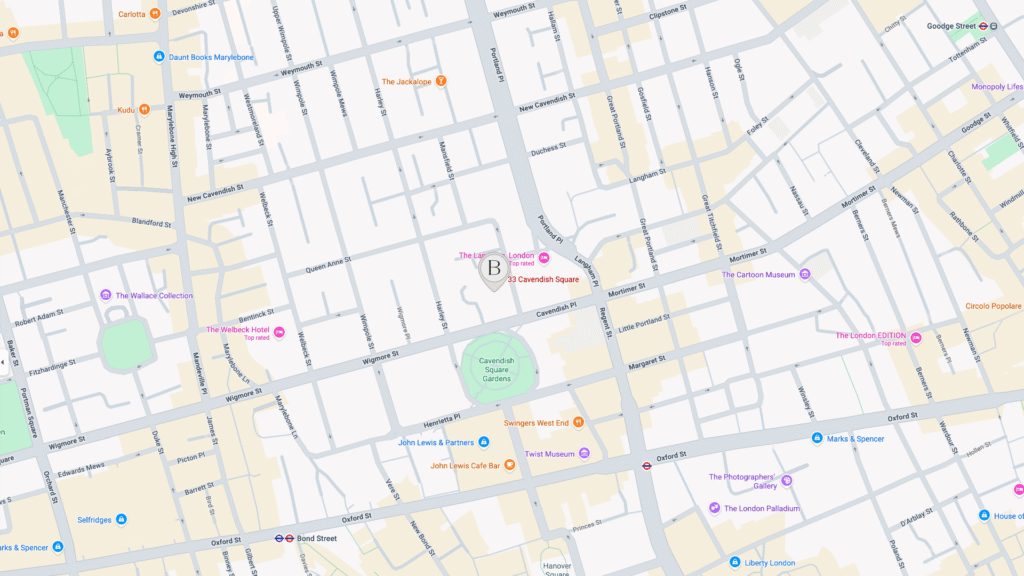
Find us at our new address – 33 Cavendish Square, London, W1G 0PW