Opens in a new tab
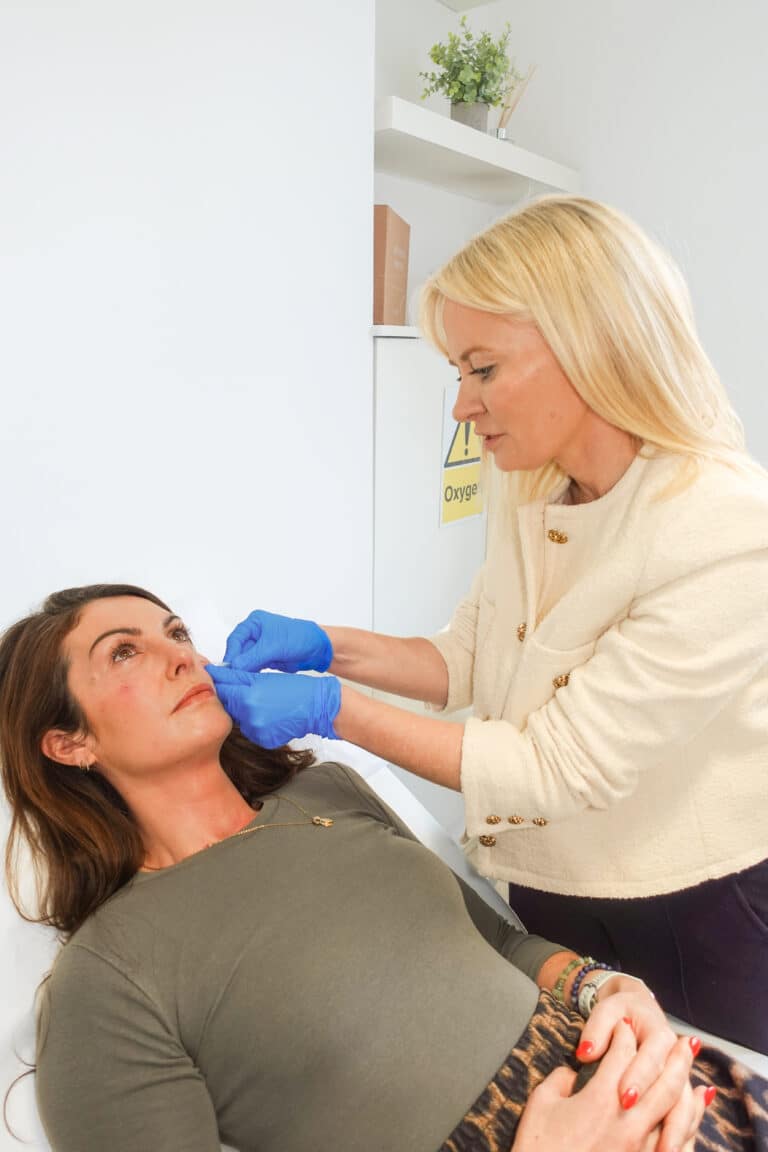
A close-up of a person with closed eyes receiving a cosmetic procedure on the cheek, using a blue-gloved hand holding a device against the skin near the ear.

Medical Microneedling for Scars, Fine Lines and Uneven Skin Texture

Medical microneedling, also known as collagen induction therapy, uses a precision device to create tiny micro-channels in the dermis, triggering the skin’s natural wound-healing response so that it lays down fresh collagen and elastin. At The Bronte Clinic, this minimally invasive treatment is delivered by our doctors and nurses for fine lines, acne and surgical scars, stretch marks, uneven texture and enlarged pores, working with the skin’s own renewal rather than relying on heat or light.

Perhaps old acne scars catch the light, your skin feels rough despite good skincare, or fine lines are becoming more noticeable. Medical microneedling offers a way to work on these concerns together, helping your skin look smoother and more even while keeping the result natural. Our London and Surrey team tailors the treatment to the skin in front of us, rather than treating every face in the same way.

Microneedling is a gradual skin-quality treatment: the aim is to soften visible irregularities and improve how the surface looks and feels as collagen develops. For someone seeking a fresher complexion without heat-based treatment, medical microneedling can be a useful place to start.

Key benefits of medical microneedling:

  • Softens fine lines and wrinkles
  • Improves the appearance of acne and surgical scars
  • Helps reduce the look of stretch marks
  • Refines uneven texture and enlarged pores
  • Builds results gradually over a course, with minimal downtime

One of the benefits of microneedling is that a course can address overlapping concerns. If acne scarring sits alongside visible pores and early lines, the plan can focus on the areas that bother you most while supporting a more even-looking complexion overall.

Ask our team

Treatment at a glance

Treatment time

Approx 15-30 minutes

Recovery time

Redness and mild swelling typically settle within a few days

Treatment Longevity

3-6 sessions recommended
Spaced 4-6 weeks apart

Results

Softer fine lines and wrinkles
Improved appearance of acne and surgical scars
Reduced look of stretch marks
Smoother texture and refined pores

What Is Medical Microneedling and How Does It Work?

Medical microneedling is called collagen induction therapy because that is exactly what it sets out to do. The device creates controlled micro-channels in the skin, and as the skin repairs them it renews its cells and produces new collagen and elastin, gradually refining the surface and upper layers. Our doctors and nurses use a precision-controlled device, so the depth and intensity can be adjusted to your comfort, your skin type and the concern being treated.

Think of collagen as part of the skin’s supporting framework. Microneedling encourages the skin to renew that framework through its own repair response. Adjusting treatment to the area and concern matters: a patch of established scarring and a delicate area of fine texture may need a different approach.

Because it works mechanically rather than with heat or light, it tends to be gentle and well tolerated, which suits people who want real improvement without a lengthy recovery. Where the concern is more structural or established, Morpheus8 combines microneedling with radiofrequency energy to remodel more deeply, with correspondingly more downtime, and choosing between that and gentler skin texture treatments comes down to how deep the concern sits.

What Skin Concerns Can Medical Microneedling Treat?

The value of medical microneedling is in matching the process to the problem. A smoother-looking scar, softer fine lines and a more refined surface are related goals, but they need slightly different explanations. Most patients come to us with more than one concern, and it is suited to each of the following:

Fine Lines and Wrinkles.

As skin ages, changes in collagen and elastin can leave it looking less firm, with fine lines becoming more noticeable. Medical microneedling encourages gradual renewal to soften the appearance of these lines and improve the quality of the skin around them.

Microneedling for Fine Lines

Fine lines can make skin look less smooth even when the rest of your face still feels like you. Microneedling works on skin quality over time, helping those fine surface lines appear softer as the skin renews. It is particularly relevant when you want an improvement in texture rather than a change in facial shape or volume.

Acne and Surgical Scars.

A systematic review of nine randomised controlled trials found microneedling effective and well tolerated for atrophic acne scars, with no serious adverse effects reported in the included studies. Surgical scars can also be treated.

Microneedling for Acne Scars and Healed Surgical Scars

Depressed acne scars leave dips in the skin’s surface, which is why they can remain visible after the breakouts have settled. Microneedling can improve the appearance of this atrophic scarring by supporting collagen remodelling. The aim is a smoother transition between the scar and the surrounding skin, rather than simply covering the mark.

Medical microneedling for scars is planned around the scar’s depth, age and condition. A healed surgical scar and an area of acne scarring may need different treatment settings and a different course. Raised scars and a history of keloids need a separate assessment; they should not be treated as the same concern as depressed acne scars.

Stretch Marks.

It can improve the appearance of stretch marks over a course of sessions as new collagen forms.

Microneedling for Stretch Marks

Stretch marks can remain visible as changes in both colour and texture. Microneedling may help soften their appearance as the skin remodels, with improvement developing over a course rather than in one visit. The area involved and the maturity of the stretch marks help shape the treatment discussion.

Uneven texture and enlarged pores.

Rough, uneven skin and enlarged pores respond to the same renewal process, and medical microneedling is often the stronger starting point when the aim is improving skin texture without heat or lasers.

Microneedling for Uneven Skin Texture and Visible Pores

When the surface looks uneven, the issue may be a mixture of old acne scarring, visible pores and fine lines. Medical microneedling targets skin quality so the complexion can look more refined as those irregularities soften. Pores remain a normal part of the skin; the aim is to make them less noticeable within a smoother-looking surface.

Texture and tone are also different concerns. Texture is what you see and feel in the skin’s surface; tone describes differences in colour. If a red or brown mark is flat rather than indented, it may need a different plan from an acne scar. That distinction helps us focus microneedling on the improvement it is best placed to make.

When Will I See Results From Medical Microneedling?

You may notice a healthy glow and smoother skin texture within a few days of your first session. The more significant improvements, such as reduced fine lines, improved acne scarring and firmer skin, develop gradually over the following 4 to 6 weeks as the skin produces new collagen and elastin. Results continue to improve over time, with long-term benefits in tone, texture and overall skin quality. Daily SPF is the first thing to prioritise to protect the collagen your skin is rebuilding.

How Should I Judge My Microneedling Results?

Look for progressive changes: a softer edge to a scar, fine lines that look less pronounced or a surface that feels more even. Early glow is different from the slower collagen response. Comparing your skin in similar lighting over the course is more useful than judging medical microneedling from the redness immediately afterwards.

The 4-6-week period is a useful early point to review change, while fuller microneedling results can take several months. More established scarring may need a longer view than a mild texture concern. Give your skin time between appointments so that each stage of the course can build on the last.

How Many Medical Microneedling Sessions Do I Need?

We recommend a course of 3 to 6 sessions, spaced about 4 to 6 weeks apart, depending on your skin concerns and goals. It is best approached as a course rather than a one-off. Where texture is bound up with a deeper loss of firmness, it can be combined with JULÄINE™ to refine the surface and rebuild the support beneath.

Spacing microneedling sessions gives the skin time to recover and continue its renewal response. A course also allows your practitioner to adapt the plan to how your skin is responding, rather than simply repeating the same settings. Medical microneedling is therefore best considered as a sequence of improvements, with your starting point and priorities guiding the pace.

Is Medical Microneedling Right for Me?

Medical microneedling can suit a wide range of skin tones and skin concerns, but suitability is confirmed at an aesthetic consultation with one of our doctors or nurses rather than assumed in advance. We assess your skin, discuss what you would like to change and recommend a plan built around your skin rather than a fixed protocol.

Active skin infections, inflamed breakouts or open skin need to settle before microneedling. A history of keloids, poor wound healing, immune suppression or bleeding problems may also change suitability. At your consultation, please tell us about and medications you’re taking, recent skin treatments and any history of cold sores so your care can be planned around them.

Book a medical microneedling consultation at our London or Surrey clinic to find out whether it’s the right option for your skin.

FAQs

You can view our full price list for our London and Surrey clinics here.

Good preparation starts with skin that is calm and a clear understanding of your current skincare and medicines. Before medical microneedling, tell the team about recent sun exposure, irritation and active products such as retinoids or exfoliating acids. We can explain what to use around your treatment and when to restart your usual routine.

After microneedling, keep skincare gentle, protect the treated area from the sun and avoid picking or rubbing the skin. Wait at least 24 hours before applying make-up, and longer if your treating practitioner advises it. The right aftercare gives your skin space to recover comfortably while the longer-term improvement develops.

Your microneedling appointment brings together a focused treatment and a plan for the weeks afterwards. We discuss the areas you want to improve, explain the sensations to expect and use the precision-controlled device to treat the skin at an appropriate depth and intensity. The treatment itself typically takes 15-30 minutes.

You may feel light prickling or scratching as the device moves across the skin. Afterwards, temporary redness, warmth or mild swelling can make the area feel as though it has caught the sun. Medical microneedling is usually followed by a short period of visible recovery, while the collagen response continues beneath the surface.

Treatment is designed to be very tolerable, even without topical anaesthetic. Some patients notice mild discomfort or a slight scratching sensation, particularly in more sensitive areas, but most describe a light prickling or warmth rather than pain, and the session is short.

The sensation can vary with the area and treatment depth, so let us know how your skin feels as we work. Our approach to medical microneedling includes adjusting the device to your comfort and skin type, with the short treatment time helping make the experience manageable.

A session typically takes 15-30 minutes, depending on the area being treated and your individual skin concerns. It is a quick, non-surgical procedure that fits easily into a busy schedule.

Downtime is minimal. Redness and mild swelling are common afterwards and typically settle within a few days, and mild pinpoint bleeding can occur during and immediately after treatment. Your doctor or nurse will talk you through what to expect for your skin at your consultation.

Results develop over time and can remain noticeable for several months, although skin continues to age and change. The longevity of microneedling depends on the original concern, the course and ongoing skin care. Sun protection helps preserve skin quality, and a later maintenance session may be discussed if it would support your goals.

Yes. Microneedling can be planned for overlapping concerns, such as old acne scarring alongside early lines and visible pores. The benefit is a coordinated approach to skin quality, with treatment adjusted to the different areas. Tell us which change matters most to you so the course has a clear focus.

Microneedling can make depressed acne scars less noticeable, but improvement does not mean every scar disappears. The depth and pattern of scarring affect how much smoothing is possible. A course is intended to improve the surface progressively, with a different treatment or combination sometimes needed for more complex scars.

Inflamed or infected breakouts should settle before microneedling in the affected area. Treating active acne and improving the scars it leaves behind are different stages of care. Once breakouts are controlled, medical microneedling may form part of a plan to soften the remaining texture.

No. Standard medical microneedling uses controlled needling to stimulate the skin’s repair response. RF microneedling adds radiofrequency energy through the needles. At The Bronte Clinic, Morpheus8 is the RF option. The added energy changes the treatment experience, recovery and risks, so the choice should reflect the concern rather than the name alone.

Yes. Professional microneedling uses a controlled treatment approach matched to your skin and concern. A home roller is not an equivalent substitute for treating established scars, and using one too aggressively can cause irritation or injury. For medical microneedling, the precision of the treatment and the care around it are part of the service.

It can be an option for darker skin tones, with settings and aftercare chosen carefully. Microneedling does not add heat in its standard form, but irritation can still lead to changes in pigmentation. Your history of sensitivity and post-inflammatory marks helps guide a personalised plan.

Wait at least 24 hours after microneedling before applying make-up. If your skin is still irritated or your practitioner recommends a longer pause, give it more time. A gentle routine during recovery helps keep the focus on comfortable healing.

One session may bring an early change in how the skin looks or feels, but a course is usually recommended for more established texture and scarring. At The Bronte Clinic, the usual medical microneedling recommendation is 3-6 sessions, spaced 4-6 weeks apart, adjusted to your skin and goals.

You can book with The Bronte Clinic in London or Surrey by completing our booking form or calling us. Whether your priority is acne scarring, fine lines or a smoother complexion, our doctors and nurses will help you understand the options and build a treatment plan around the result you want to work towards.

Book your appointment

Use the form below or
Call us

Related Articles

Anti-Ageing Treatments in Your 30s: A Three-Stage Approach That Actually Makes Sense

Your thirties are a turning point for your skin. Not in a dramatic, overnight way, but in the quiet, incremental shifts that most people only recognise in hindsight. Collagen production begins to slow. Cell turnover decelerates. The early effects of sun exposure, stress, and lifestyle start to surface as fine lines, dullness, and the first…
Hero image - What to Expect at Your First Aesthetic Consultation

What to Expect at Your First Aesthetic Consultation

Wondering what happens at an aesthetic consultation? Our team explains what to expect at your first appointment, what questions to ask, and how to find a clinic you can trust. Book in London or Surrey.
article hero image - Sun Damage Treatment - How BBL Reverses What the Sun Has Done to Your Skin

Sun Damage Treatment: How BBL Reverses What the Sun Has Done to Your Skin

Looking for an effective sun damage treatment? Our team explains how BBL reverses pigmentation, uneven tone, and photodamage at a molecular level - backed by Stanford University research. Book a consultation in London or Surrey.

Aesthetic Treatments No Downtime: What You Can Genuinely Fit Into a Busy Life

Which aesthetic treatments genuinely require no downtime? Our team walks through what fits a busy schedule, what needs recovery time, and how to plan smart. Book a consultation in London or Surrey.
What Causes Dark Spots on the Face? A Doctor's Guide to Pigmentation

What Causes Dark Spots on the Face? A Doctor’s Guide to Pigmentation

If you have noticed patches of darker skin appearing across your cheeks, forehead or upper lip, you are almost certainly wondering what causes dark spots on the face and, more importantly, whether anything can be done about them. It is one of the most common concerns we see at The Bronte Clinic, and the straightforward…

Can Pigmentation Go Away?

This is a question that we are often asked at The Bronte Clinic, and it deserves a straight answer: can pigmentation go away? Yes and no. Some pigmentation can be faded dramatically and occasionally cleared altogether; some can be improved but not entirely erased; and almost all of it can return if the underlying triggers…

How to Improve Skin Texture on Your Face Without Heat or Lasers

How to improve skin texture? Our doctors explain two collagen-building treatments - microneedling and JULÄINE™- for smoother skin. London & Surrey.
Natural bio supplement collagen powder in wooden spoon and glass of pure water on pink background. Concept healthy skin and bones, anti-aging extra protein product. Flatlay, place for text.

What Is Collagen, and Should I Be Taking It?

What is collagen, and should you take collagen supplements? Our doctors give the evidence-based answer, and explain what genuinely protects and rebuilds it.

Our London clinic has moved!

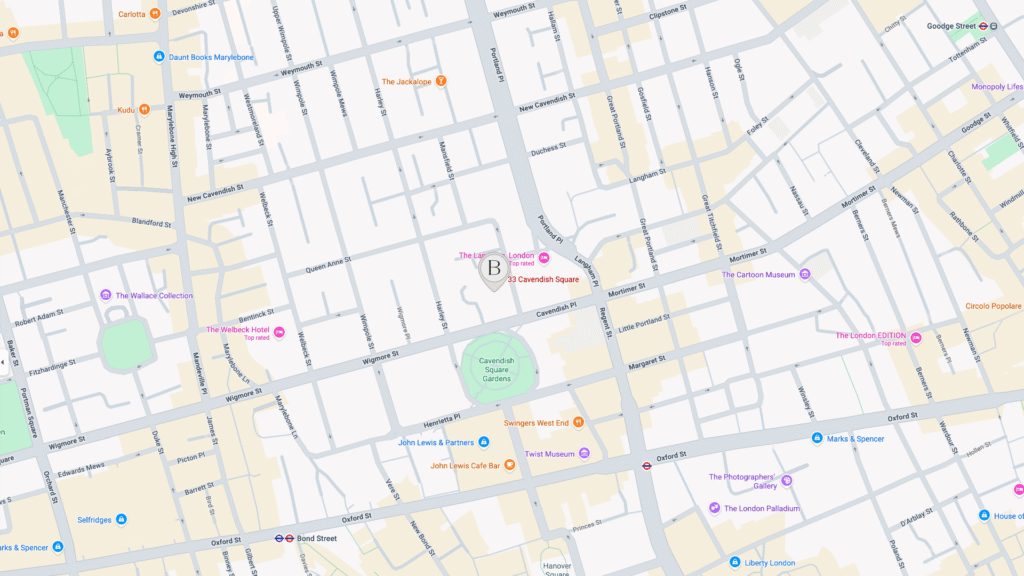
Find us at our new address – 33 Cavendish Square, London, W1G 0PW