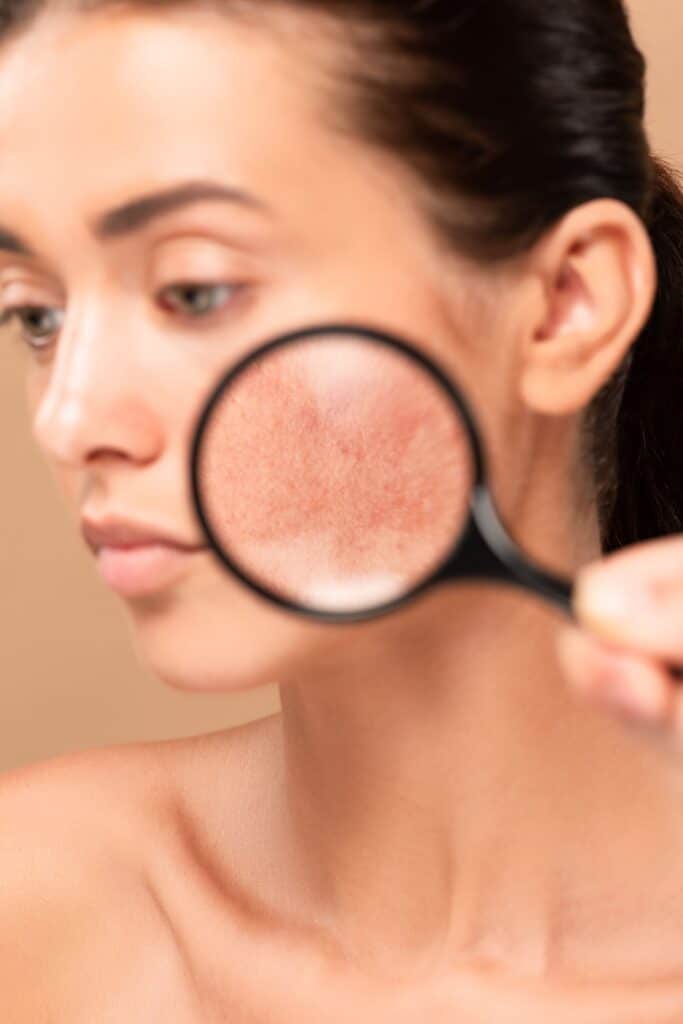
This is a question that we are often asked at The Bronte Clinic, and it deserves a straight answer: can pigmentation go away? Yes and no. Some pigmentation can be faded dramatically and occasionally cleared altogether; some can be improved but not entirely erased; and almost all of it can return if the underlying triggers are not managed. Anyone promising to make pigmentation vanish permanently in a single treatment is not being straight with you.
Pigmentation responds to a layered, consistent approach, built over months rather than days, combining what you do at home, what a doctor can prescribe, and what we can do in clinic. There are no one-hit wonders, but there is a great deal that genuinely works. This article explains how to think about it realistically.
Can Pigmentation Go Away Completely?
Whether pigmentation can go away completely depends heavily on what type it is and how deep it sits. Superficial, sun-related marks often fade very well and can sometimes clear entirely, whereas hormonal pigmentation such as melasma tends to be a longer-term condition that is managed rather than eliminated. Pigment sitting deeper in the skin is always more stubborn than pigment near the surface.
This is why identifying the type of pigmentation you have is the essential first step, and it changes everything about what “going away” realistically means for you. Sun-related marks, hormonal melasma and post-inflammatory pigmentation each behave differently and respond to different things, so knowing which one you are dealing with shapes every decision that follows.
The Layered Approach: Why There Are No Quick Fixes
Effective pigmentation treatment works in layers, because pigmentation itself is driven by several processes at once: existing pigment that needs to be broken down and cleared, active pigment production that needs to be calmed, and ongoing triggers such as sunlight that need to be blocked. A single product or treatment only ever addresses one of these, which is why quick fixes disappoint.
The approach that actually works combines three tiers: diligent home care, prescription-strength topicals where appropriate, and in-clinic treatments for more established pigment. Layered together and given time, these can make a real difference. Rushed or used in isolation, any one of them underdelivers, and some aggressive approaches can even make pigmentation worse. Patience is not a consolation prize here; it is part of the method.
Tier One: What You Can Do at Home
The foundation of making pigmentation go away, and keeping it away, is built at home, and it is less exciting than most people hope. Daily broad-spectrum SPF is the single most important thing you can do, full stop. Sun exposure is the primary driver of most pigmentation and the main reason treated pigmentation returns, so without rigorous daily sun protection, everything else is undermined. If you take only one thing from this article, make it this.
Beyond sun protection, well-chosen over-the-counter ingredients can support a brighter, more even complexion. Vitamin C helps counter the oxidative stress that drives pigment, niacinamide can help calm and even tone, and gentle, consistent exfoliation encourages the skin to shed pigmented cells. These are genuinely helpful, but they work slowly and modestly. Think of home care as the essential base layer that makes every other tier more effective, not as a standalone cure.
Tier Two: Prescription Topicals From a Doctor
This is where a medically-led clinic makes a real difference. The most effective topical treatments for pigmentation are prescription-only, which means they legally require assessment and prescription by a doctor rather than being bought over the counter. This is an important distinction that many people do not realise: the strongest, most evidence-backed pigmentation topicals cannot simply be picked up in a shop.
At The Bronte Clinic, this is straightforward. Our Medical Director, Dr Fiona McCarthy (MBChB, MRCP, PhD), and her medical team assess your skin and, where appropriate, prescribe stronger active ingredients that are far more powerful than their cosmetic counterparts, tailored to your specific type of pigmentation. Because these are potent and not suitable for everyone, they need proper medical oversight, both to get results and to avoid irritation or, in some cases, worsening the pigmentation. This is precisely why prescription pigmentation care sits with a doctor and not on a shelf, and why an in-person assessment is the best starting point.
A Closer Look at Hydroquinone
The best known of these is hydroquinone, a prescription-only topical that has long been considered the benchmark for treating stubborn pigmentation. It works by slowing tyrosinase, the enzyme the skin uses to make melanin, which allows existing excess pigment to fade faster than it is replaced. In the UK, hydroquinone cannot be bought over the counter at any strength; it is a prescription-only medicine precisely because it is powerful and needs to be used under proper supervision.
In practice, hydroquinone is often prescribed as part of a carefully balanced combination rather than on its own, and always for a defined, time-limited course with regular review, never indefinitely. Used correctly under medical guidance it can be highly effective, particularly for melasma and sun-related marks; used carelessly it can irritate the skin or, occasionally, worsen the very pigmentation it is meant to treat. Daily sun protection is essential throughout, as without it any pigment cleared will simply return. This balance of real effectiveness and real risk is exactly why hydroquinone belongs with a doctor and not on a shelf.
Tier Three: In-Clinic Treatments
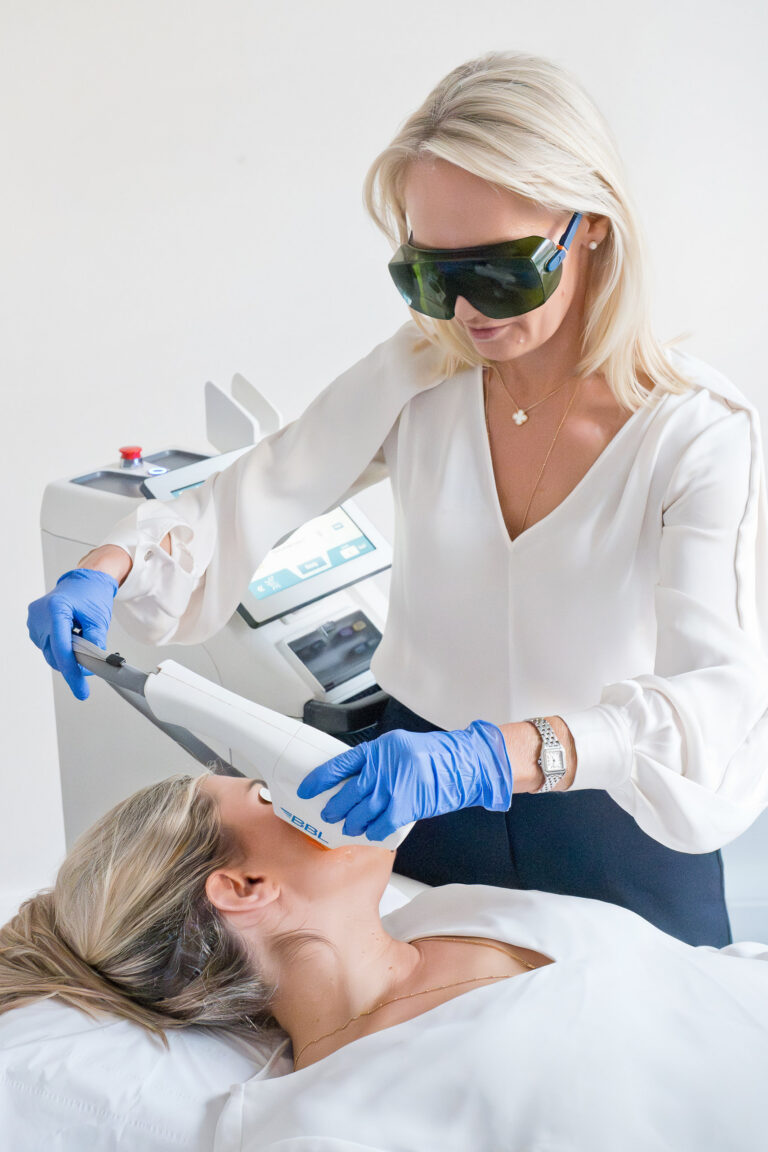
For more established or stubborn pigmentation, in-clinic treatments add a further layer that home care and topicals cannot replicate. Light-based treatments such as BBL target and break down excess pigment so the skin can clear it and are particularly effective for sun-related marks. Treatments that encourage skin renewal, such as medical microneedling, can also help improve tone and texture over a course of sessions.
The crucial caveat is that the right in-clinic treatment depends entirely on the type of pigmentation. Light and heat-based treatments, for instance, can be superb for sun damage but need real caution with hormonal melasma, which they can sometimes aggravate. This is exactly why in-clinic pigmentation treatment should always follow a proper assessment by a doctor or nurse, never a fixed protocol applied to everyone.
Keeping Pigmentation From Coming Back
Even when pigmentation has faded beautifully, the answer as to whether it can go away for good depends on what happens next. Because the tendency to produce excess pigment usually remains, maintenance is what separates a lasting result from a temporary one. Continued daily SPF, ongoing home care, and periodic top-up treatments where needed all help keep pigmentation from returning.
This is not a reason for pessimism; it is simply the reality of how skin works. Managed well, most people can achieve and maintain a noticeably clearer, more even complexion for the long term. The goal we set with patients is realistic and sustainable improvement, not a one-off miracle that fades within months.
So, Can Pigmentation Go Away?
To return to the question: yes, pigmentation can go away, or at least improve very significantly, for most people, provided the approach is layered, consistent and matched to the type of pigmentation you have. What it will not do is disappear permanently after a single treatment, and being wary of anyone who promises otherwise is sensible.
At The Bronte Clinic, as a CQC-registered, medically-led clinic in London and Surrey, we can assess your pigmentation, tell you what is realistic, and build a plan across all three tiers of care.
If you would like to know what “going away” could look like for your skin specifically, the best first step is to book a consultation, and we will take it from there.