Few treatments in aesthetic medicine generate as much curiosity, or as much confusion, as Morpheus8. If you have been researching skin tightening, anti-ageing technology, or non-surgical solutions for sagging skin, you have almost certainly seen the name. But ask five different clinics what is Morpheus8 and how it works, and you are likely to get five different answers, ranging from cautiously understated to wildly overpromising.
At The Bronte Clinic, Morpheus8 is a treatment we use regularly and recommend with confidence, but only for the right patients and the right concerns. In this article, our team explains the science behind the technology, what it can realistically achieve, what it cannot, and how it fits within a broader approach to skin rejuvenation.
The Science: Understanding What Is Morpheus8 and How It Works
To answer the question of what is Morpheus8, you need to understand the two technologies it combines and why bringing them together matters.
Microneedling involves creating thousands of tiny, controlled punctures in the skin using fine needles. These micro-injuries are not deep enough to cause visible damage, but they are sufficient to trigger the body’s natural wound-healing response. As the skin repairs itself, it produces fresh collagen and elastin – the structural proteins responsible for firmness, elasticity, and smooth texture.
Radiofrequency (RF) energy uses electromagnetic waves to generate heat within the deeper layers of the skin. This thermal energy has two effects: it contracts existing collagen fibres, producing an immediate mild tightening, and it stimulates fibroblasts to produce new collagen over the following weeks and months.
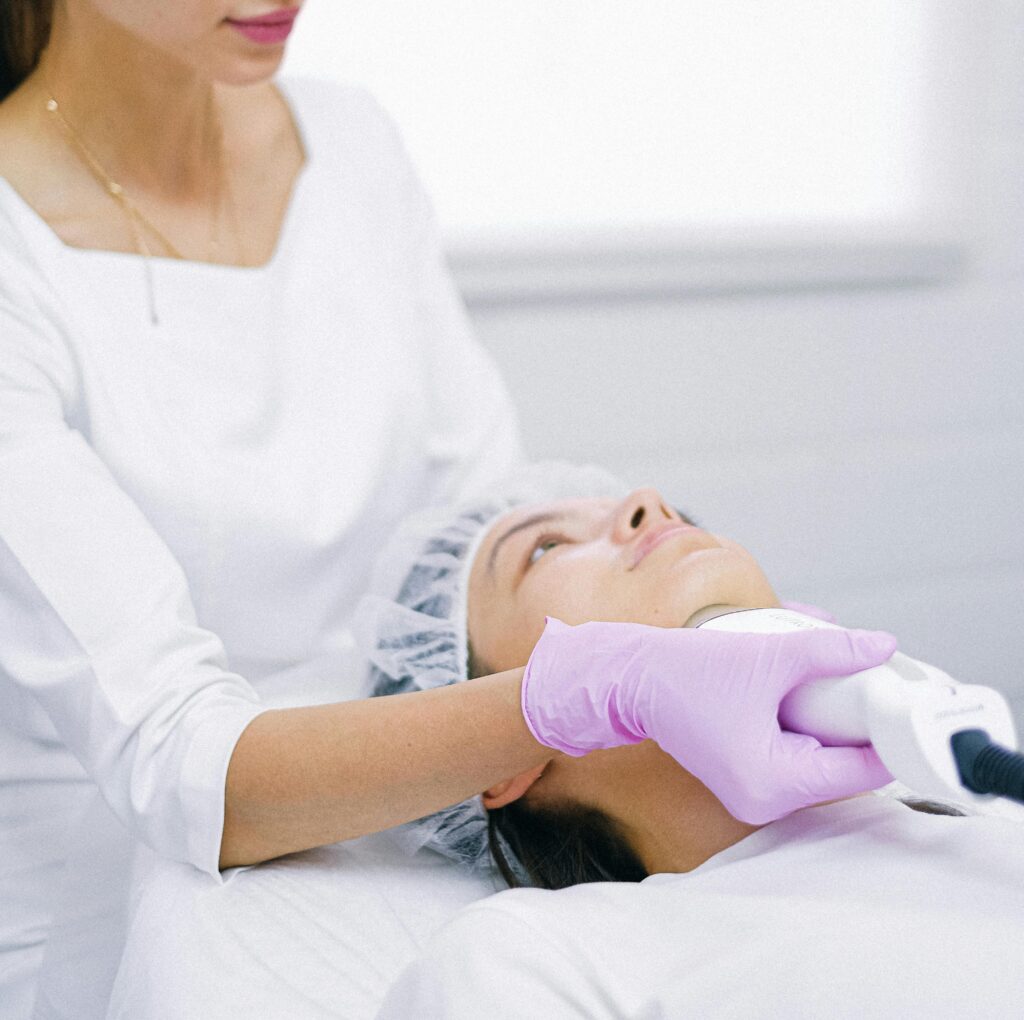
Morpheus8 brings these two mechanisms together in a single device. It uses ultra-fine titanium microneedles to penetrate the skin to precise, adjustable depths, then delivers fractional radiofrequency energy directly through those needles into the dermal and subdermal layers. This means the RF energy reaches depths that surface-level devices and standalone microneedling simply cannot access (up to 4mm into the tissue), where the most meaningful collagen remodelling occurs.
The “fractional” element is important. Rather than heating the entire surface uniformly, Morpheus8 creates a grid pattern of treated zones surrounded by untreated tissue. This accelerates healing, reduces downtime, and allows the skin to remodel more efficiently.
So, what is Morpheus8 at a biological level? It is a treatment that triggers a deep, controlled remodelling process – tightening existing collagen, stimulating new collagen and elastin production, and restructuring the dermal framework that gives skin its firmness and support. The result is skin that becomes progressively firmer, smoother, and more resilient over the weeks and months following treatment.
What Morpheus8 Can Realistically Achieve
Now that we have answered what is Morpheus8 from a scientific perspective, let’s address the practical question: what can it actually do for your skin? Setting realistic expectations is something we feel strongly about – it is the foundation of a good patient experience, and it ensures that the results you see genuinely match the results you were hoping for.
What Morpheus8 does well:
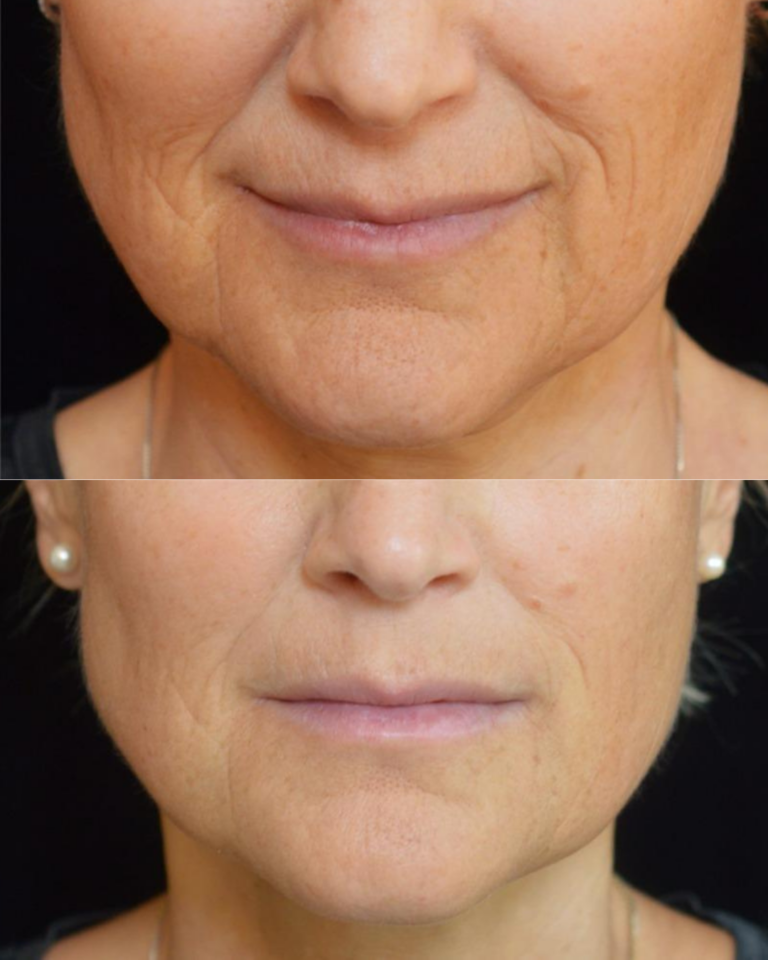
Morpheus8 is particularly effective at improving skin laxity in the lower face, jawline, and neck – areas where early sagging, loss of definition, and soft tissue descent are common concerns. It is one of the best non-surgical options available for firming mildly lax skin and restoring a firmer, more defined contour without adding any product to the face.
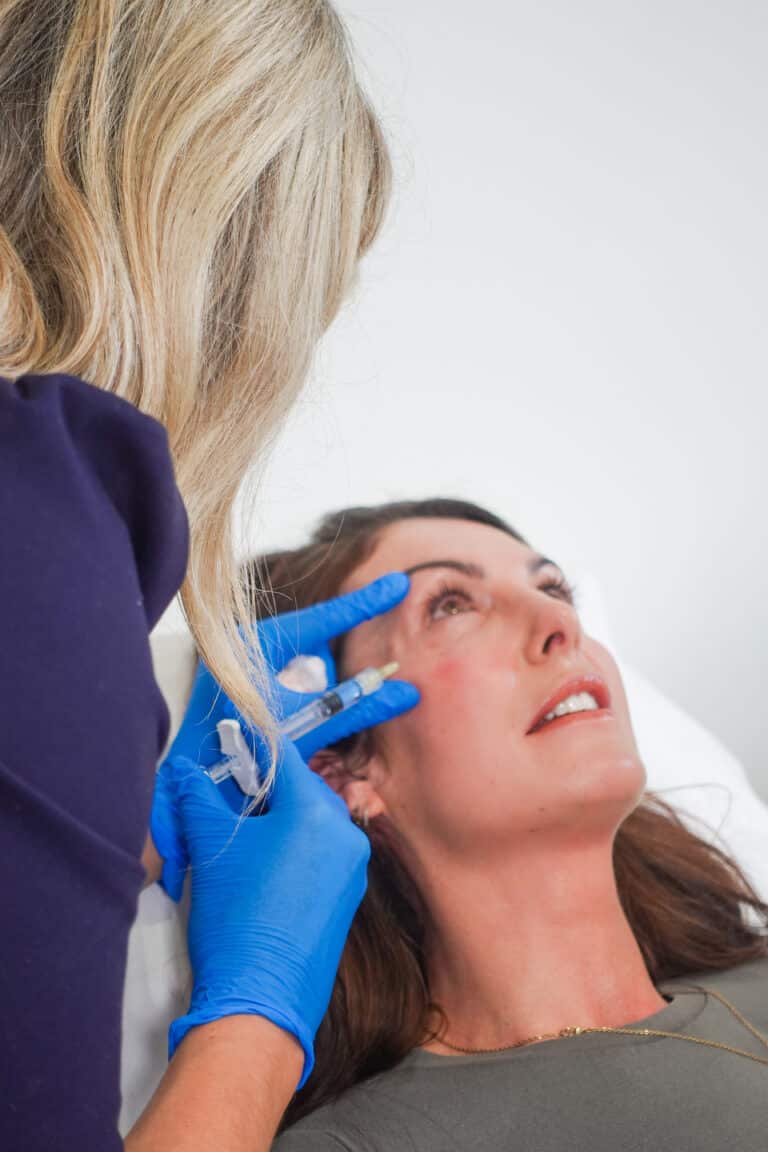
It also excels at improving overall skin texture and quality. Fine lines, crepey skin, enlarged pores, uneven tone, and roughness all respond well to the deep collagen remodelling that Morpheus8 stimulates. The under-eye area, where skin is thin and delicate, is a treatment zone where Morpheus8 can produce particularly noticeable results for crepiness and mild looseness.
Beyond the face, Morpheus8 is effective for stretch marks, acne scarring, and skin laxity on the neck, décolletage, and body.
What Morpheus8 cannot do:
Morpheus8 will not produce the same degree of lift or tissue repositioning as surgery. For patients with significant jowling, heavy skin excess, or advanced sagging, the improvement from Morpheus8 alone may be insufficient to meet their expectations. In these cases, rather than recommending a treatment we don’t believe will deliver the result you’re hoping for, we would discuss alternative approaches that may better address your needs.
It is also not a volume replacement. Morpheus8 tightens and remodels, but it does not restore lost volume in the cheeks, temples, or mid-face. For patients whose concerns are driven by volume loss as well as laxity, combining Morpheus8 with JULÄINE™ for collagen biostimulation or dermal fillers for targeted volume restoration will produce a far more complete result.”
What Does Morpheus8 Feel Like and What Is the Recovery?
One of the most frequently asked questions about Morpheus8 is whether it hurts. The treatment involves needles and heat, so some discomfort is expected, but it is well-managed.
At The Bronte Clinic, we apply a strong topical anaesthetic for 45 to 60 minutes before treatment to ensure you are comfortable throughout. Once numbed, most patients describe the sensation as warm prickling – noticeable but tolerable, even in sensitive areas like the jawline, neck, and under-eyes. The treatment itself takes approximately 15 minutes.
Afterwards, you can expect redness and mild swelling for 24 to 72 hours, similar in appearance to moderate sunburn. Some patients notice tiny pinpoint marks from the microneedles, which fade within a few days. Most people feel comfortable returning to their normal routine within two to three days, though we recommend avoiding makeup, direct sun exposure, and active skincare ingredients for the first week.
Compared to ablative laser treatments, Morpheus8 offers significantly less downtime while still delivering deep dermal remodelling, which is one of the key reasons it has become so popular.
When Will You See Results and How Long Do They Last?
Part of understanding what is Morpheus8 means understanding its timeline. This is not a treatment that produces an overnight transformation.
Initial improvements in skin texture and tightness can become noticeable within three to four weeks as early collagen remodelling begins. However, the most significant results develop gradually over three to six months, as the deeper structural changes take full effect. Skin continues to firm, smooth, and tighten throughout this period.
For optimal results, we recommend a course of two to three treatments spaced four to six weeks apart. This allows each session to build on the remodelling triggered by the last, producing a cumulative improvement that a single treatment cannot match.
Results typically last 12 to 18 months or longer, depending on age, skin type, and lifestyle. We generally recommend a maintenance session every 6 to 12 months to sustain and extend the benefits over time.
Where Morpheus8 Fits Within a Broader Treatment Strategy
One of the most important things to understand about what is Morpheus8, is that it is at its most powerful when combined with complementary treatments. Morpheus8 excels at firming and remodelling, but skin ageing is a multi-dimensional process, and addressing only one dimension will always produce a partial result.
At The Bronte Clinic, we frequently combine Morpheus8 with other treatments to create a comprehensive, layered approach:
Polynucleotides work at a cellular level to improve skin hydration, elasticity, and regenerative capacity. Where Morpheus8 remodels the collagen architecture, polynucleotides improve the biological health of the skin itself, making the two treatments a particularly effective pairing for patients with crepey, dehydrated, or environmentally damaged skin.
Profhilo® delivers deep, sustained hydration and stimulates both collagen and elastin production. For patients whose skin is tight but dull or dehydrated, adding Profhilo® to a Morpheus8 treatment plan addresses the moisture and radiance that tightening alone cannot restore.
JULÄINE™ is a PLLA collagen biostimulator that rebuilds structural volume and support over time. For patients with both laxity and volume loss, particularly in the mid-to-lower face, combining JULÄINE™ with Morpheus8 addresses both the scaffolding and the surface simultaneously.
Which combination is appropriate depends entirely on the individual, and this is exactly why a thorough consultation is the essential first step.
Who Is Morpheus8 Best Suited To?
Morpheus8 is suitable for a wide range of patients, but it tends to deliver its most satisfying results for those with mild to moderate skin laxity who are not yet at the point where surgery is warranted, early jowling or loss of jawline definition, crepey or textured skin on the face, neck, or décolletage, under-eye crepiness and mild looseness, acne scarring or stretch marks, and those who want noticeable improvement with minimal downtime.
It is suitable for most skin types, though a full assessment is essential to confirm suitability and to ensure the treatment settings are tailored to your skin.
Why Choose The Bronte Clinic for Morpheus8
Understanding what is Morpheus8 is only half the equation. The other half is who is operating the device. Morpheus8 is an adjustable, depth-variable technology, and the quality of the result depends heavily on the skill and clinical judgment of the practitioner, including the needle depth selected, the energy settings used, the areas targeted, and how the treatment is integrated into a broader plan.
At The Bronte Clinic, Morpheus8 is delivered by experienced doctors and nurses under the clinical oversight of Medical Director Dr Fiona McCarthy (MBChB, MRCP, PhD). Every treatment is preceded by a thorough consultation to ensure Morpheus8 is the right choice for your skin and your goals, and if it is not, we will tell you.
Considering Morpheus8? Book a consultation at The Bronte Clinic in London or Surrey and let our team assess whether radiofrequency microneedling is the right approach for your skin.
Dr Carole Reid
MBBS MA (Hons)
Aesthetic Doctor