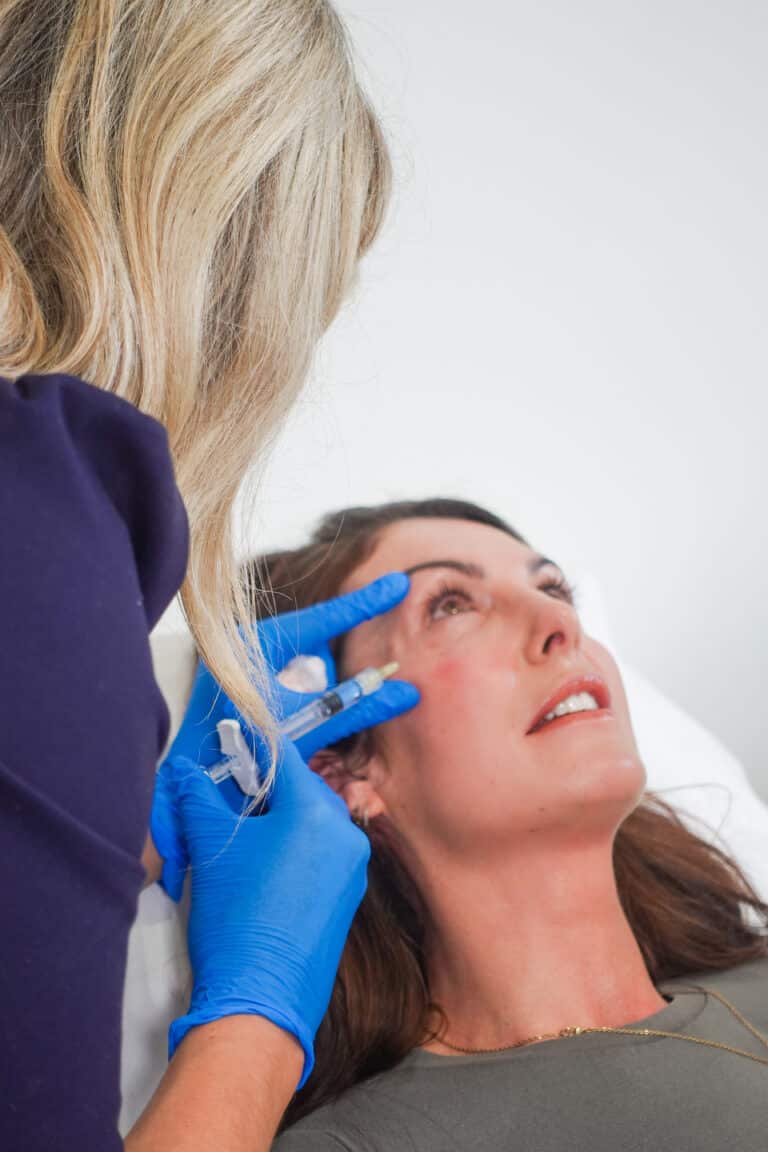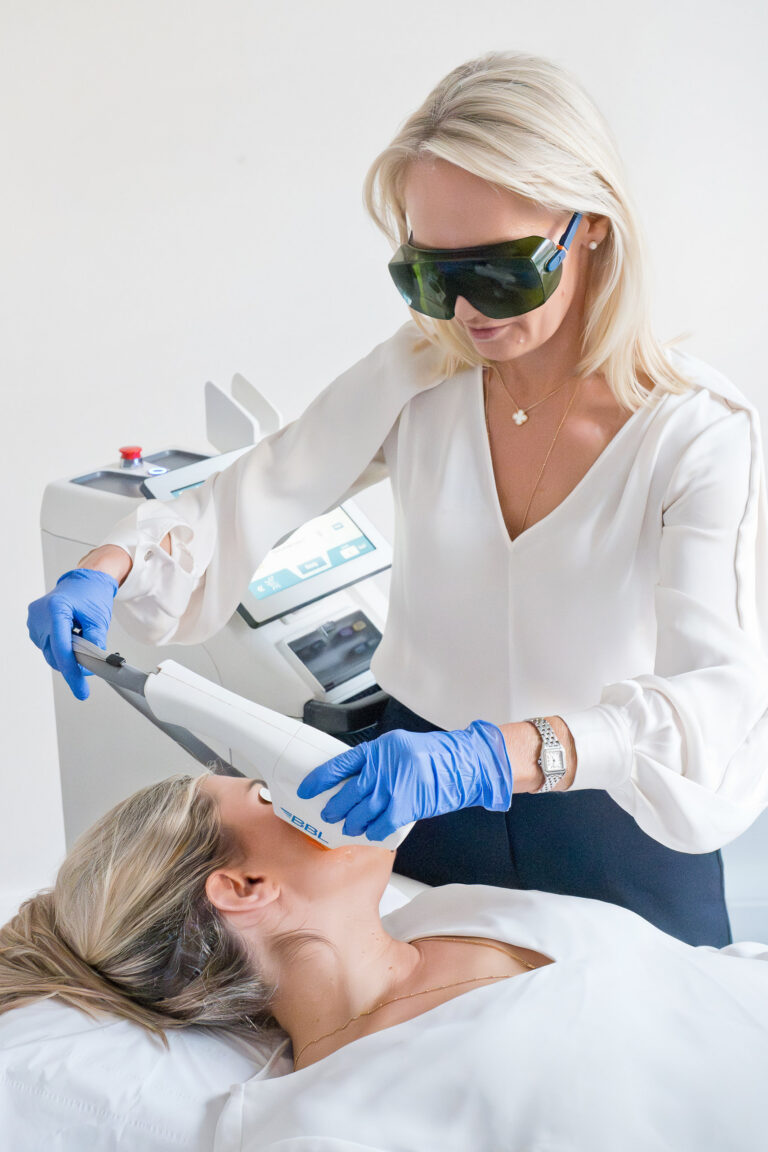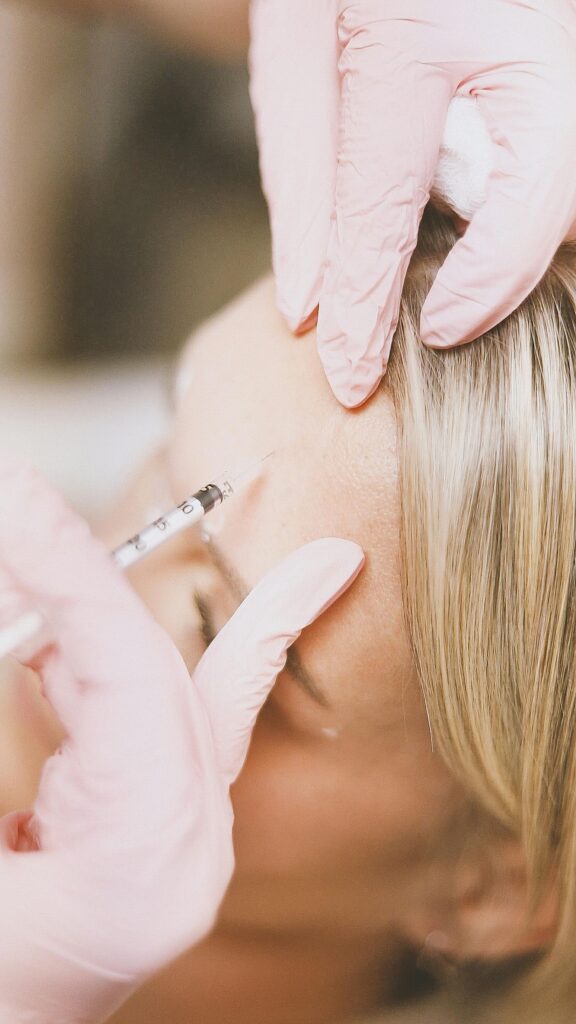
The world of aesthetic medicine offers more options than ever for patients who want to address the visible signs of ageing without surgery. From anti-wrinkle injections to dermal fillers, chemical peels to laser therapy, there is no shortage of treatments promising smoother, firmer, more youthful-looking skin. But the question we hear increasingly at The Bronte Clinic is this: where do polynucleotides fit in, and how do polynucleotides vs anti-ageing treatments like Botox, fillers, and peels actually compare?
The honest answer is that polynucleotides are not a replacement for every traditional treatment. They are, however, a fundamentally different category of injectable – one that works at a cellular level to regenerate skin quality rather than temporarily correcting a single concern. Understanding when polynucleotides are the right choice, when a traditional treatment is more appropriate, and when they work best together is key to achieving results that are both effective and long-lasting.
What Makes Polynucleotides Different?
Before comparing polynucleotides vs anti-ageing treatments individually, it helps to understand what sets polynucleotides apart as a category.
Traditional anti-ageing treatments tend to work on the surface or target a specific symptom. Anti-wrinkle injections relax muscles to smooth dynamic lines. Dermal fillers add volume to replace what has been lost. Chemical peels remove damaged surface skin to reveal fresher layers beneath. Each of these approaches addresses a visible concern, but none of them fundamentally changes the health or regenerative capacity of the skin itself.
Polynucleotides work differently. Derived from purified DNA fragments, they are injected into the skin where they stimulate fibroblast activity, prompting your body to produce more collagen and elastin, improve cellular turnover, and strengthen the skin’s internal structure. The result is skin that is genuinely healthier, more hydrated, more elastic, and more resilient – not just skin that looks temporarily improved on the surface.
This distinction matters, because it determines not only what polynucleotides can achieve, but which patients and concerns they are best suited to.
Polynucleotides vs Anti-Wrinkle Injections (Botox)
Anti-wrinkle injections such as Botox remain one of the most popular aesthetic treatments in the UK, and for good reason. They are highly effective at smoothing dynamic wrinkles – the lines that form through repeated facial movements such as frowning, squinting, and raising the eyebrows. By temporarily relaxing the underlying muscles, anti-wrinkle injections prevent these creases from deepening over time.
However, anti-wrinkle injections do not improve skin quality. A patient with smooth forehead lines but dull, dehydrated, or crepey skin will still look tired and aged even after Botox, because the issue is not muscular, it is structural.
This is where the comparison between polynucleotides vs anti-ageing treatments like Botox becomes most relevant. Polynucleotides address the skin itself, improving texture, tone, hydration, and elasticity from within. They are not designed to treat dynamic wrinkles, but they tackle something Botox cannot – the underlying decline in skin quality that makes the face look older regardless of how smooth the lines are.
In many cases, the two treatments complement each other beautifully. This is an important nuance often lost in the polynucleotides vs anti-ageing treatments debate: it is rarely a question of one or the other. Anti-wrinkle injections manage movement-based lines while polynucleotides restore the vitality and resilience of the surrounding skin.
Polynucleotides vs Dermal Fillers
Dermal fillers and polynucleotides are both delivered by injection, but they serve entirely different purposes. Fillers, most commonly made from hyaluronic acid, add immediate volume. They are excellent for enhancing the lips, restoring cheek volume, defining the jawline, and softening static lines and folds.
Polynucleotides do not add volume. Instead, they regenerate the skin’s own structure by stimulating collagen and elastin production. For concerns driven by skin quality rather than volume loss, such as fine lines, crepey texture, dullness, dark circles, and thin or fragile skin, polynucleotides are often the more appropriate choice.
The distinction is particularly important in delicate areas like the under-eyes, where fillers can sometimes appear unnatural or cause puffiness. Polynucleotides improve the skin in this zone by thickening and strengthening it from within, without the risks associated with adding product to an area with very little subcutaneous support.
Understanding this distinction is central to the polynucleotides vs anti-ageing treatments conversation. That said, fillers and polynucleotides are not mutually exclusive. For patients who need both structural volume and improved skin quality, a layered treatment plan using both can deliver comprehensive, natural-looking results.
Polynucleotides vs Chemical Peels
Chemical peels are a well-established anti-ageing treatment that works by applying a controlled acid solution to the skin’s surface, removing dead and damaged cells to reveal fresher, smoother skin beneath. They can be effective for addressing pigmentation, sun damage, rough texture, and mild scarring.
When weighing polynucleotides vs anti-ageing treatments like peels, the key difference is depth. Peels work from the outside in, resurfacing the upper layers of the skin. Polynucleotides work from the inside out, stimulating regeneration at a cellular level within the dermis. A peel can improve how the skin looks on the surface; polynucleotides improve how it functions and regenerates over time.
For patients whose concerns go beyond surface texture – those experiencing a loss of firmness, elasticity, or hydration that no amount of resurfacing can resolve – polynucleotides offer something peels simply cannot: genuine structural regeneration from within.
Why Polynucleotides and Medical Microneedling Are an Exceptional Pairing
Beyond the polynucleotides vs anti-ageing treatments comparison, one of the most exciting developments in aesthetic medicine is the ability to combine polynucleotides with other modalities for amplified results. Of all the combinations available, one of the most effective partnerships we see at The Bronte Clinic is polynucleotides paired with medical microneedling.
Medical microneedling works by creating thousands of controlled micro-injuries in the skin using fine, sterile needles. This triggers the body’s wound-healing response, stimulating fresh collagen and elastin production and accelerating cellular turnover. The result is firmer, smoother skin with improved tone and texture.
When polynucleotides are introduced alongside microneedling, the regenerative effect is amplified significantly. The micro-channels created during microneedling allow polynucleotides to penetrate more effectively into the deeper layers of the skin, enhancing their biostimulatory action. Meanwhile, the polynucleotides support and sustain the healing process initiated by the microneedling, ensuring that the new collagen produced is of higher quality and that the skin recovers faster and more completely.
The combined result is greater than either treatment achieves alone: more pronounced improvements in skin firmness, hydration, texture, and elasticity, with benefits that continue to develop over the following weeks as collagen regeneration progresses. For patients seeking a meaningful, lasting improvement in overall skin quality, this pairing represents one of the most powerful non-surgical options available.
Choosing the Right Approach for Your Skin
The comparison between polynucleotides vs anti-ageing treatments is not about declaring a winner. Each treatment exists for a reason, and each is best suited to a particular set of concerns. The real skill lies in knowing which approach, or which combination of approaches, will deliver the most natural, effective result for each individual patient.
At The Bronte Clinic, this is exactly what our consultation process is designed to establish. Our team, led by Medical Director Dr Fiona McCarthy (MBChB, MRCP, PhD), assesses every patient’s skin quality, facial structure, lifestyle, and goals before recommending a treatment plan. Whether that plan includes polynucleotides alone, a traditional treatment, or a carefully designed combination, the objective is always the same: results that look natural, feel authentic, and stand the test of time.
Are you ready for a personalised anti-ageing strategy? Book a consultation at The Bronte Clinic in London or Surrey, and let our team build a bespoke plan around your skin.