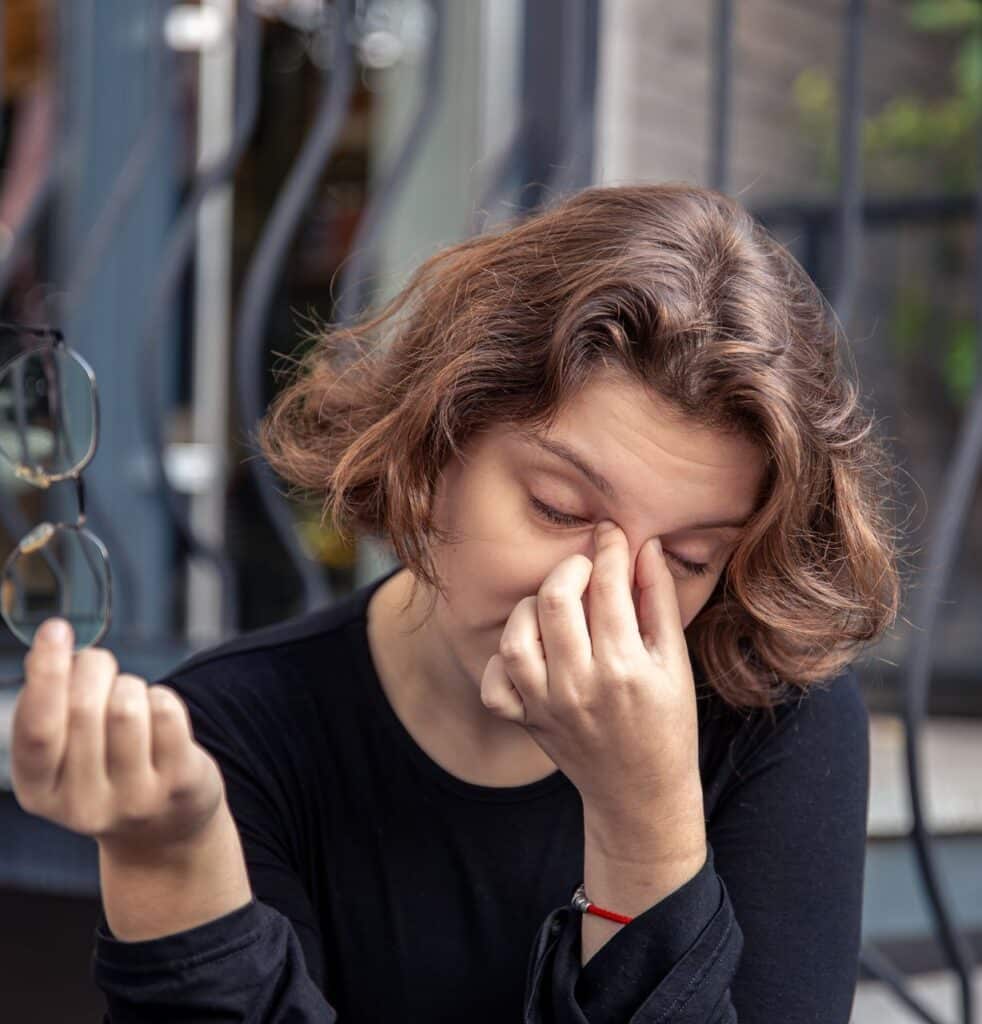
You slept well. You feel fine. But you catch your reflection and the face looking back at you tells a different story – dull, drawn, a little flat, somehow older than you feel. Or perhaps it is the comments that give it away. “You look tired” from a colleague. “Are you feeling okay?” from a friend. When the way you look consistently mismatches the way you feel, the frustration is real, and so is the desire to understand how to look less tired without resorting to heavy concealer or drastic measures.
The reason this concern is so common, and so difficult to solve with skincare alone, is that looking tired is rarely caused by one thing. It is the visible result of several changes happening simultaneously across your face, each one subtle enough to go unnoticed individually but collectively powerful enough to transform how people perceive you.
Understanding what those changes are is the first step toward knowing how to look less tired effectively.
Why Your Face Looks Tired: The Five Factors Behind It
A tired appearance is not a single problem, and understanding this is central to knowing how to look less tired in a way that actually lasts. It is a composite of multiple, overlapping changes that affect the face as a whole. At The Bronte Clinic, when a patient tells us they look exhausted despite feeling perfectly well, we assess five key areas.
Loss of Skin Radiance
Healthy, youthful skin has a natural luminosity – it reflects light evenly, giving the face a fresh, alert quality. As cell turnover slows with age, the surface layer of dead skin cells builds up, scattering light unevenly and producing a flat, dull appearance. This loss of glow is often the first thing that makes a face look tired, even when nothing else has visibly changed.
Dehydration and Loss of Plumpness
Skin that has lost its internal hydration looks thinner, flatter, and less resilient. Fine lines become more prominent. The face loses the subtle fullness that reads as health and vitality. This is not the same as dry skin on the surface – it is a deeper, structural dehydration within the dermis that no amount of moisturiser can fully address.
Under-Eye Changes
The periorbital area is often the most telling part of a tired face. Dark circles, hollowing, puffiness, and fine crepey lines beneath the eyes draw attention and create an impression of fatigue that dominates the overall perception of the face.
Because the skin here is the thinnest on the body, it shows changes earlier and more visibly than almost any other area.
Loss of Skin Firmness
When collagen and elastin production declines, the skin loses its structural support. It begins to sit differently on the face – less taut, less lifted, less defined. This subtle loss of firmness does not always register as “sagging” in the way patients expect, but it contributes significantly to a tired, slightly deflated appearance that is hard to pinpoint but impossible to ignore.
Uneven Skin Tone and Texture
Accumulated sun damage, pigmentation, and textural irregularities break up the uniformity of the complexion. The face looks less clean and clear, which subconsciously reads as fatigue or ill health even when the individual features are perfectly fine.
Why Skincare Alone Cannot Fully Solve This
If looking tired is caused by five overlapping factors, it follows that a single product or routine is unlikely to resolve it completely. A good skincare regimen – SPF, retinoids, antioxidants, hydrating serums – can absolutely support skin health and slow further decline. But it cannot stimulate new collagen production at the levels needed to restore firmness. It cannot regenerate cellular function that has already declined. And it cannot reach the deeper dermal layers where the most meaningful changes need to happen.
This is where clinical treatment becomes relevant, and where understanding how to look less tired shifts from surface-level advice to genuine, visible improvement.
Why Polynucleotides Are a Particularly Effective Answer to How to Look Less Tired
Of all the treatments available for addressing a tired appearance, polynucleotides stand out for a specific reason: they address multiple contributing factors simultaneously.
Polynucleotides are injectable biostimulants derived from purified DNA fragments. Once injected, they stimulate fibroblast activity, prompting your skin to produce more collagen and elastin, improve cellular turnover, enhance hydration from within, and strengthen the skin’s natural repair mechanisms. The result is not a correction of one symptom but an improvement in the overall biological health of the skin.
For patients asking how to look less tired, this is significant. Polynucleotides improve radiance by accelerating cellular renewal, bringing fresher, healthier cells to the surface. They restore hydration at a deep, structural level, returning plumpness and bounce to skin that has become flat and dull. They strengthen the thin, fragile skin in the periorbital area, reducing the visibility of dark circles and fine lines. They improve firmness and elasticity across the face as new collagen and elastin are produced. And they refine overall skin quality, creating a smoother, more even canvas.
No single treatment addresses every dimension of a tired appearance, but for patients seeking how to look less tired without dramatic intervention, polynucleotides come closer than most, because they work at the level of cellular function rather than targeting individual symptoms in isolation.
What Polynucleotide Treatment Involves
A polynucleotide treatment session takes approximately fifteen to twenty minutes.Rather than the multiple small injections often associated with this treatment – which can mean 20 or more needle points, significant bruising, and downtime many of our patients simply can’t accommodate – we use a cannula to treat the periorbital region in particular. A single entry point allows the product to be distributed smoothly beneath the skin, reducing both bruising risk and recovery time. At The Bronte Clinic, we can treat multiple zones in a single session – the under-eyes, mid-face, and broader facial skin – to address the tired appearance comprehensively rather than in fragments.
In the periorbital region, you may notice some puffiness on the day of treatment, but this settles quickly, which is why we recommend booking polynucleotides as an end-of-day appointment so that any trace has resolved by the following morning.
Results develop progressively over the following weeks as collagen regeneration builds and skin quality improves. Most patients notice a visible lift in radiance and hydration within the first week or two, with firmer, smoother skin continuing to develop over the subsequent months. We typically recommend a course of two to three sessions spaced two to four weeks apart for optimal results.
How to Look Less Tired: When a Combination Approach Makes Sense
For some patients, polynucleotides alone deliver everything they need. For others, particularly those whose tired appearance is driven by a combination of skin quality decline and more significant structural changes, a layered treatment strategy produces a more complete transformation.
Profhilo® can be combined with polynucleotides to deliver an additional layer of deep hydration and bio-remodelling. Where polynucleotides regenerate at a cellular level, Profhilo® restores the moisture architecture that gives skin its plump, dewy quality, and the two mechanisms complement each other powerfully.
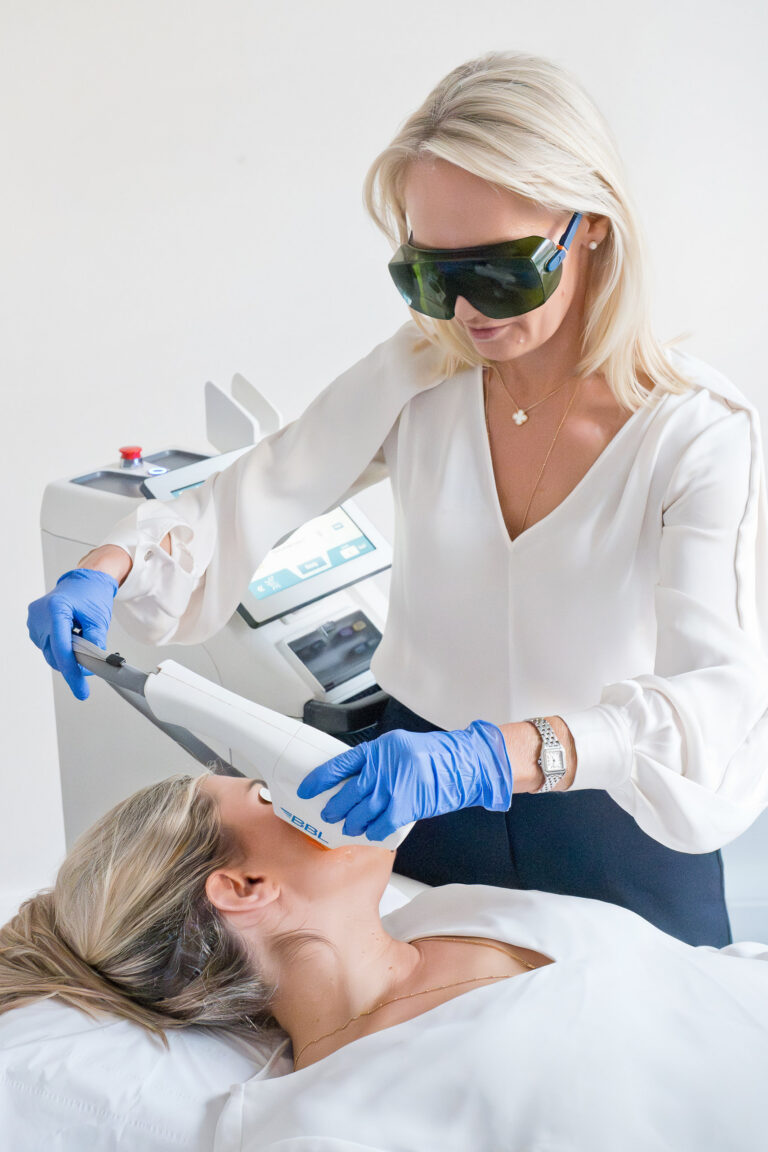
BBL is particularly valuable when uneven tone and pigmentation are contributing to the tired look – clearing surface discolouration and restoring a clean, uniform complexion that immediately reads as fresher and more alert.
For patients whose loss of firmness extends beyond what skin quality treatments can address, collagen biostimulation with JULÄINE™ rebuilds deeper structural support across the mid and lower face, adding a layer of lift and definition that underpins the skin quality improvements delivered by polynucleotides.
Which combination is right depends entirely on what is driving your tired appearance, and that can only be determined through a proper assessment.
Finding the Right Starting Point
If you have been wondering how to look less tired and have not found the answer in skincare, sleep, or lifestyle changes alone, the issue is almost certainly happening beneath the surface. The most effective step you can take is to have your skin properly assessed by a team that understands the multiple factors at play and can identify which ones are most relevant to your face.
At The Bronte Clinic, our team led by Medical Director Dr Fiona McCarthy (MBChB, MRCP, PhD), will evaluate your skin quality, hydration, firmness, tone, and periorbital area before recommending a plan. That plan might be polynucleotides alone. It might be a combination. And it will always be built around what your skin actually needs, not what is trending.
Tired of looking tired? Book a consultation at The Bronte Clinic in London or Surrey, and let our team help you find out what is really going on beneath the surface.